
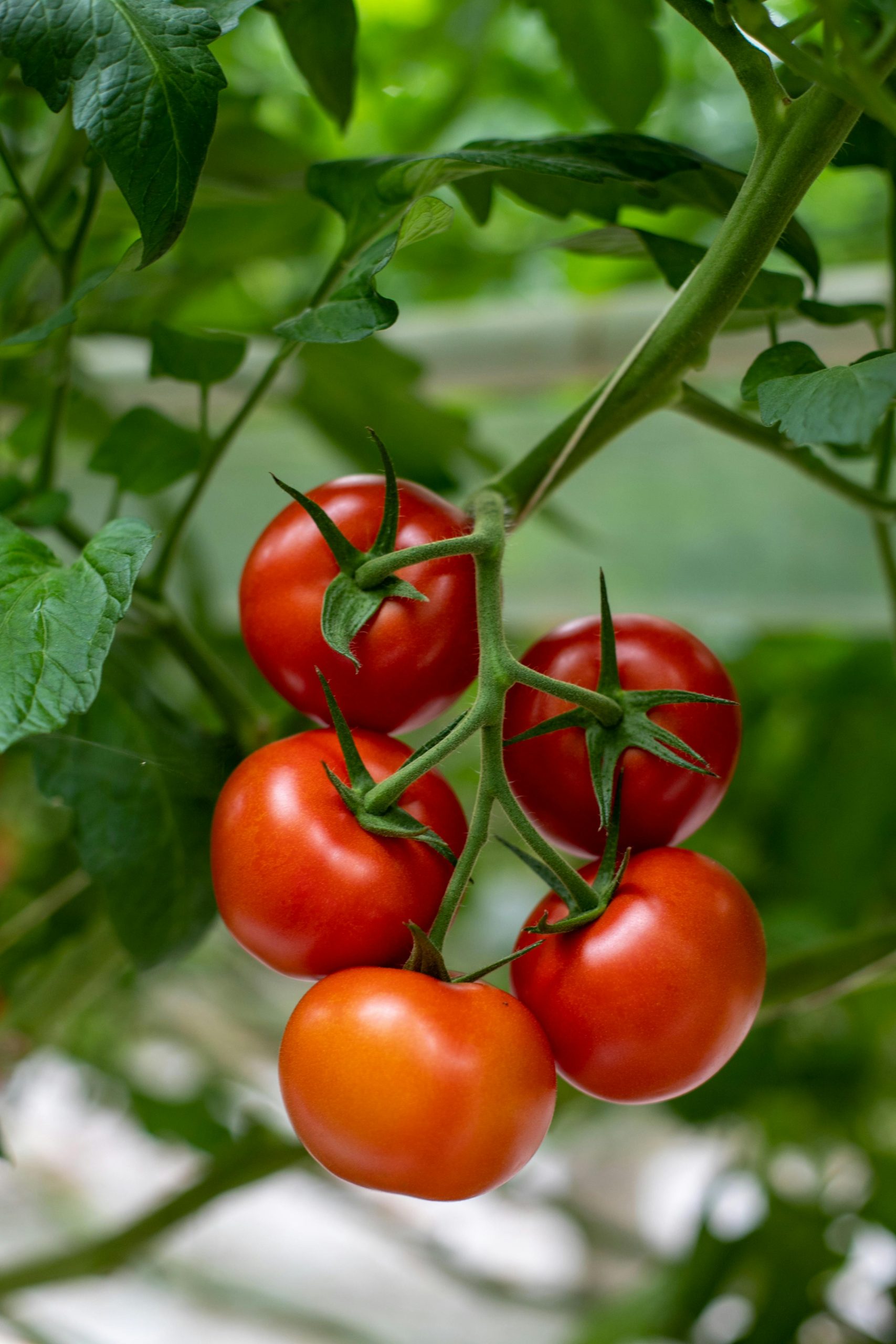
Growing exceptional tomato varieties transforms your garden into a flavor paradise, offering unmatched taste, vibrant colors, and superior nutritional value. According to recent agricultural data from 2026, over 15,000 distinct tomato varieties are now cultivated worldwide, each bringing unique characteristics to home gardens. With such incredible diversity available, how do you select the varieties that will deliver the most rewarding growing experience?
What Makes Certain Varieties Truly Exceptional
The distinction between ordinary and exceptional tomatoes lies in a complex interplay of genetic heritage, terroir, and cultivation practices. A truly superior variety must excel across multiple dimensions, creating a sensory experience that transcends the everyday garden tomato.
A voir aussi : Discover the Best Vegetables for Shady UK Gardens: Top Shade-Loving Plants to Grow
The flavor profile serves as the ultimate benchmark for quality assessment. Exceptional varieties achieve a perfect balance between sweetness and acidity, often enhanced by unique aromatic compounds that create memorable taste experiences. This complexity explains why our rating system evaluates each variety on a scale of 1 to 10, considering not just sweetness but the full spectrum of gustative nuances.
Texture plays an equally crucial role in defining excellence. The finest varieties offer a satisfying firmness that yields to gentle pressure, with flesh that maintains its integrity whether eaten fresh or processed. This structural quality directly correlates with the tomato’s cellular composition and water content balance.
Sujet a lire : Discover the Best Organic Strategies for Controlling Snails in UK Gardens
Cultivation on living soils amplifies these natural qualities exponentially. Healthy soil microbiology enhances nutrient uptake, resulting in more concentrated flavors and improved plant resilience. Combined with disease resistance and consistent productivity, these factors separate exceptional varieties from their conventional counterparts, creating tomatoes worthy of the most discerning palates. The secret lies in choosing best tomatoes that match your climate, taste preferences, and gardening goals.
Heirloom vs Modern Strains: Understanding the Differences
Heirloom varieties carry within them the history of generations of passionate gardeners. These tomatoes have been naturally selected over decades for their exceptional flavor, passed down from generation to generation through open-pollinated seeds. Unlike modern hybrids, these varieties retain their genetic authenticity.
The fundamental difference lies in their genetic stability. A heirloom tomato produces seeds true to the parent plant, allowing gardeners to perpetuate their favorite varieties year after year. This characteristic offers invaluable autonomy and maintains the genetic diversity of our vegetable gardens, unlike F1 hybrids, which do not reproduce their parental traits.
Modern varieties often prioritize productivity and disease resistance, sometimes at the expense of flavor. Heirloom varieties, on the other hand, have been selected for their authentic taste and unique characteristics. Each variety tells a particular story, with complex flavor profiles that modern creations struggle to match.
This traditional approach guarantees non-GMO tomatoes, grown using methods that respect biodiversity and living soils, thus preserving the taste heritage of our gardening ancestors.
Choosing the Right Variety for Your Garden Conditions
Choosing the perfect tomato variety depends primarily on your specific growing conditions. In Switzerland and other European regions with sometimes unpredictable summers, some varieties adapt better than others to climatic variations.
For gardens exposed to wind or at higher altitudes, opt for robust varieties like Stupice or Sub Arctic Plenty, which tolerate cooler temperatures better. These early varieties guarantee a harvest even during shorter summers.
Available space also influences your choice. Determinate varieties like Roma are ideal for balconies and small gardens, while indeterminate varieties like Cherokee Purple require more space but offer extended production until the first frosts.
Your level of experience also matters. Beginner gardeners will appreciate hardy varieties like Matina, while more experienced gardeners can try growing more demanding but exceptionally flavorful varieties, such as Brandywine, which scores 9/10.
Your Questions About Superior Tomato Varieties
What are the best tasting tomato varieties to grow at home?
Cherokee Purple, Brandywine, and Black Krim consistently rank highest for exceptional flavor. These heirloom varieties offer complex, sweet-tart profiles with rich umami notes that surpass most commercial tomatoes.
Which tomato strains have the highest flavor ratings?
Our rating system awards Cherokee Purple and Mortgage Lifter perfect 10/10 scores. Paul Robeson (9.5/10) and Ananas Noire (9.2/10) also deliver outstanding gustatory experiences with unique flavor profiles.
How do I choose the right tomato variety for my garden?
Consider your climate zone, available space, and taste preferences. Determinate varieties suit containers, while indeterminate types need support but produce longer. Match maturity days to your growing season.
What makes certain tomato varieties better than others?
Superior varieties combine complex flavors, balanced acidity, and rich texture. Genetic diversity, proper soil nutrition, and optimal growing conditions enhance these natural characteristics, creating truly exceptional tomatoes.
Are heirloom tomatoes really better than hybrid varieties?
Heirloom varieties often deliver superior taste due to genetic diversity and time-tested selection for flavor. While hybrids offer disease resistance, heirlooms provide unique flavors and allow seed saving.